Comparing Vintage vs Modern Fashion Toy Styles
A look at the stylistic differences and appeal of vintage versus contemporary fashion toys.
A look at the stylistic differences and appeal of vintage versus contemporary fashion toys.
Comparing Vintage vs Modern Fashion Toy Styles
The Enduring Allure of Fashion Toys: Vintage vs Modern Aesthetics
Hey there, fashion toy enthusiasts! Ever found yourself scrolling through eBay, admiring a classic Barbie from the 60s, and then immediately switching to check out the latest Rainbow High release? You're not alone! The world of fashion toys is incredibly diverse, spanning decades of design, trends, and play patterns. Today, we're diving deep into a fascinating comparison: vintage versus modern fashion toy styles. What makes them unique? What are their charms? And which ones might be the perfect fit for your collection or your kid's playtime?
It's more than just old versus new; it's a journey through cultural shifts, technological advancements, and evolving ideas of beauty and play. Let's break down the key differences and celebrate the unique appeal of both eras.
Vintage Fashion Toys: A Nostalgic Trip Down Memory Lane
When we talk about vintage fashion toys, we're generally looking at dolls and playsets from the mid-20th century up to the early 2000s. Think classic Barbie, Sindy, Jem and the Holograms, and even early Bratz. These toys often carry a heavy dose of nostalgia for adult collectors, but their design principles are also quite distinct.
Classic Barbie: The Original Fashion Icon and Her Stylistic Evolution
Let's start with the queen herself, Barbie. Early Barbies, especially those from the 1959-1970s era, are iconic. Their faces were often more demure, with painted eyes and rooted eyelashes. Their bodies were slender, sometimes with bendable legs, but generally less articulated than modern dolls. The fashion? Oh, the fashion! It mirrored the haute couture of the time, with intricate details, quality fabrics, and often a more 'grown-up' aesthetic. Think elegant evening gowns, sophisticated suits, and perfectly coiffed hair.
- Product Example: A 1960s Bubblecut Barbie.
- Typical Price Range: $100 - $1000+ (depending on condition, rarity, and original outfit).
- Why Collectors Love Them: Historical significance, intricate original outfits, and a sense of nostalgia. They often represent a specific era's fashion and societal ideals.
- Play Scenario: Display in a collector's cabinet, gentle posing for photography, or as a centerpiece in a vintage-themed collection. Not typically for rough play due to fragility and value.
Jem and the Holograms: 80s Glam and Rock Star Style
Moving into the 80s, we see a shift towards more vibrant, bold styles. Jem and the Holograms dolls, released by Hasbro, perfectly encapsulated the era's rock star glam. These dolls featured bright makeup, wild hair, and outfits that screamed 80s pop. They were often larger than Barbie and had a more dynamic, action-figure-like quality, reflecting their animated series origins.
- Product Example: Original Jem doll with her signature pink hair and glittery outfit.
- Typical Price Range: $50 - $300+ (for good condition, complete sets).
- Why Collectors Love Them: Unique 80s aesthetic, connection to a beloved cartoon, and often more robust for display.
- Play Scenario: Display, light posing, or as part of a themed collection. Their hair can be prone to tangling, so careful handling is advised.
Early Bratz: Edgy Fashion and Distinctive Features
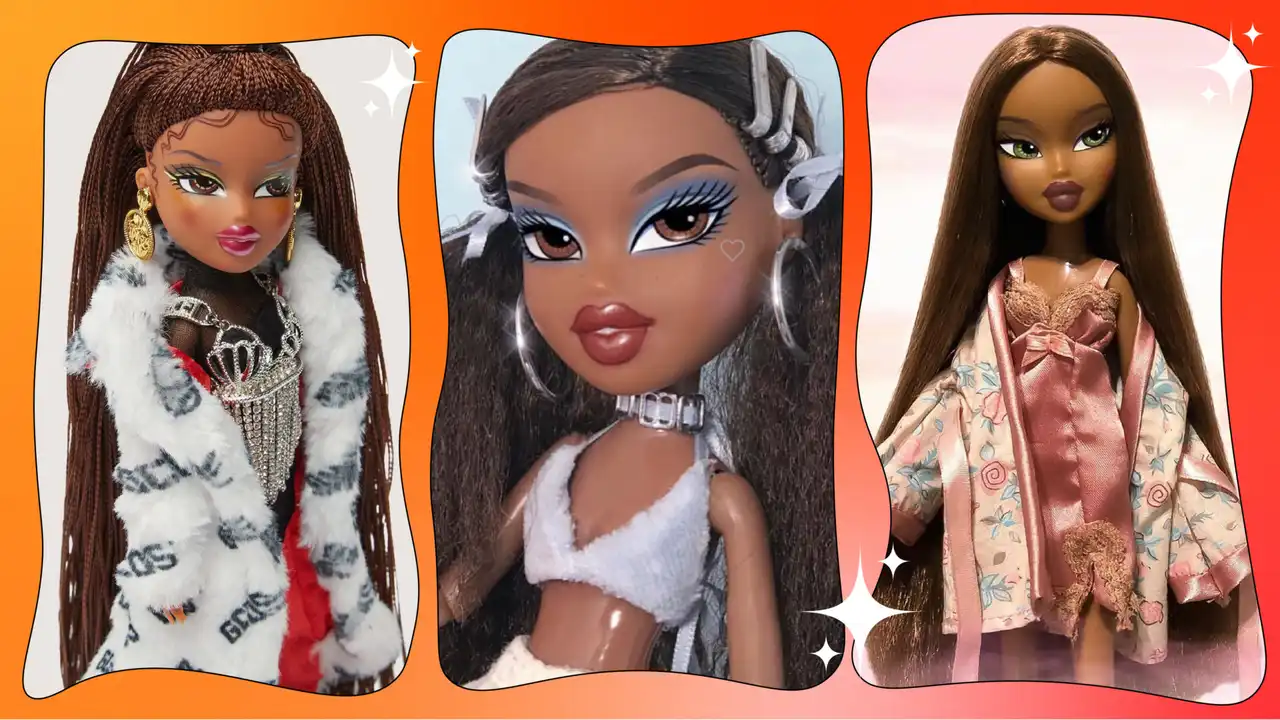
The early 2000s brought us Bratz dolls, a stark contrast to the more traditional Barbie. Bratz were known for their oversized heads, almond-shaped eyes, full lips, and a more 'street style' or 'urban fashion' aesthetic. Their outfits were trendy, often featuring mix-and-match pieces, platform shoes, and bold accessories. They represented a shift towards a more diverse and edgy fashion sensibility in the toy world.
- Product Example: First Edition Cloe, Yasmin, Sasha, or Jade.
- Typical Price Range: $30 - $150+ (depending on character, condition, and completeness).
- Why Collectors Love Them: Their unique sculpts, trend-setting fashion, and the nostalgia for early 2000s pop culture.
- Play Scenario: Display, light play, or customization. Their snap-on feet can be a bit delicate over time.
Modern Fashion Toys: Innovation, Diversity, and Articulation
Fast forward to today, and the fashion toy landscape is buzzing with innovation. Modern fashion dolls are characterized by incredible articulation, diverse body types, intricate details, and a strong connection to current fashion trends and social media culture. Brands like Rainbow High, L.O.L. Surprise! OMG, and even contemporary Barbie lines are pushing boundaries.
Rainbow High: Articulation, Detail, and Color Explosion
MGA Entertainment's Rainbow High dolls have taken the fashion doll world by storm. Their defining features include highly articulated bodies (allowing for a vast range of poses), stunning glass eyes, rooted eyelashes, and incredibly detailed, multi-layered outfits. Each doll is themed around a specific color, and their fashion reflects current trends, often with a high-fashion, runway-ready vibe.
- Product Example: Ruby Anderson (Series 1) or any of the newer series dolls like Victoria Whitman.
- Typical Price Range: $20 - $40 per doll.
- Why Collectors Love Them: Exceptional articulation, beautiful face sculpts, high-quality rooted hair, and detailed fashion pieces. They are highly poseable for photography and display.
- Play Scenario: Ideal for imaginative play, fashion styling, photography, and display. Their articulation makes them very versatile for dynamic scenes.
L.O.L. Surprise! OMG Dolls: Unboxing Fun and Bold Personalities
Another powerhouse from MGA, the L.O.L. Surprise! OMG dolls, are known for their exciting unboxing experience and bold, distinct personalities. These dolls are larger than the original L.O.L. Surprise! tots and come with multiple fashion pieces and accessories. Their style is often playful, quirky, and very much in line with current youth fashion trends, often incorporating streetwear and pop culture references.
- Product Example: Lady Diva or Neonlicious.
- Typical Price Range: $20 - $35 per doll.
- Why Collectors Love Them: The fun unboxing, unique character designs, and trendy, often mix-and-match fashion pieces.
- Play Scenario: Great for imaginative play, fashion role-playing, and collecting. The unboxing adds an extra layer of excitement for kids.
Barbie Fashionistas: Diversity and Inclusivity in Modern Play
Mattel's modern Barbie lines, particularly the Fashionistas, have made significant strides in diversity and inclusivity. Today's Barbie dolls come in a wide range of body types (original, tall, curvy, petite), skin tones, hair textures, and even disabilities (e.g., dolls with wheelchairs or prosthetic limbs). Their fashion reflects a broader spectrum of everyday styles, from casual wear to more formal outfits, making them relatable to a wider audience.
- Product Example: Barbie Fashionistas #165 (Curvy with Wheelchair) or any of the diverse Fashionistas line.
- Typical Price Range: $10 - $25 per doll.
- Why Collectors Love Them: Their commitment to diversity, affordability, and the ability to create a truly representative collection.
- Play Scenario: Excellent for imaginative play, promoting inclusivity, and teaching children about different body types and abilities.
Stylistic Differences: A Head-to-Head Comparison of Eras
Let's break down the core stylistic differences that set vintage and modern fashion toys apart.
Facial Sculpt and Makeup: From Painted Charm to Realistic Detail
Vintage: Often featured painted eyes, sometimes with rooted eyelashes, and a more 'classic' or 'sweet' expression. Makeup was typically subtle or stylized to fit the era's beauty standards. Early dolls might have a more 'flat' or two-dimensional face sculpt.
Modern: Tend to have more detailed, often realistic face sculpts with inset eyes (like Rainbow High) or highly detailed painted eyes (like L.O.L. OMG). Makeup is bolder, more varied, and often reflects current trends like glitter, graphic liners, or contouring. Expressions can be more dynamic and varied.
Body Articulation and Poseability: Static Displays vs Dynamic Play
Vintage: Many early dolls had limited articulation – perhaps a swivel head, jointed shoulders and hips, and sometimes bendable knees. This meant fewer dynamic poses were possible, making them more suited for display or simpler play scenarios.
Modern: High articulation is a hallmark of contemporary fashion dolls. Many have 10-15 points of articulation, including knees, elbows, wrists, and even ankle joints. This allows for incredibly dynamic posing, making them perfect for photography, storytelling, and more realistic play.
Fashion and Fabric Quality: Couture Craftsmanship vs Trend-Driven Variety
Vintage: Often boasted higher quality fabrics, intricate stitching, and attention to detail that mimicked real clothing. Outfits were sometimes more 'couture' in their design, reflecting the fashion of the time. However, variety might have been limited to specific themes.
Modern: While fabric quality can vary, modern dolls excel in offering a vast array of trendy, often layered outfits. They embrace diverse styles, from streetwear to fantasy, and often come with numerous accessories. The focus is on capturing current fashion zeitgeists and offering mix-and-match possibilities.
Hair Quality and Styling: Rooted Classics vs Vibrant, Stylable Strands
Vintage: Hair was typically rooted, but the quality and styling options could be limited. Early hair might be prone to frizzing or becoming matted over time if not cared for properly.
Modern: Many modern dolls feature incredibly soft, high-quality rooted hair that is designed for extensive styling. Brands like Rainbow High are known for their luxurious hair, often in vibrant, multi-tonal colors, encouraging kids to brush, braid, and style.
Accessories and Playsets: Simple Additions vs Immersive Worlds
Vintage: Accessories were often simpler, focusing on essential items like shoes, purses, and perhaps a few small props. Playsets were often more basic, serving as backdrops rather than interactive environments.
Modern: Accessories are abundant and highly detailed, often including miniature versions of real-world items like smartphones, coffee cups, and elaborate jewelry. Playsets are increasingly immersive, with interactive features, multiple rooms, and modular designs that encourage extended play and storytelling.
The Appeal: Why We Love Both Eras of Fashion Toys
So, which style is 'better'? The truth is, both vintage and modern fashion toys hold immense appeal, just for different reasons.
The Charm of Vintage: Nostalgia, History, and Collectibility
Vintage fashion toys offer a tangible connection to the past. For adult collectors, they evoke powerful feelings of nostalgia, reminding them of their childhoods or a bygone era. They are also historical artifacts, reflecting the fashion, culture, and societal norms of their time. The thrill of the hunt for a rare, well-preserved vintage doll is a significant part of the collecting experience. Their often simpler designs can also have a timeless, classic appeal.
The Excitement of Modern: Innovation, Diversity, and Dynamic Play
Modern fashion toys are all about pushing boundaries. Their advanced articulation allows for unprecedented poseability, making them fantastic for photography and dynamic storytelling. The increasing diversity in body types, skin tones, and hair textures means that more children can see themselves represented in their toys, fostering inclusivity and self-esteem. The constant influx of new trends, characters, and accessories keeps the play fresh and exciting, mirroring the fast-paced world of fashion itself.
Choosing Your Fashion Toy Adventure: Collector vs Player
When deciding between vintage and modern, consider your primary purpose:
- For the Collector: If you're looking for investment pieces, historical significance, or a deep dive into specific eras, vintage dolls are often the way to go. Be prepared for higher price points and the need for careful preservation.
- For the Player (or for Kids): Modern dolls generally offer more robust playability, greater articulation for dynamic posing, and a wider range of contemporary styles. They are often more affordable and readily available, making them perfect for everyday play and creative expression.
Of course, many enthusiasts enjoy both! A collection can beautifully blend the classic elegance of a vintage piece with the vibrant energy of a modern doll, creating a rich tapestry of fashion toy history.
The Future of Fashion Toys: Blending the Best of Both Worlds
What's next for fashion toys? We're already seeing brands incorporate elements from both eras. Some modern lines release 'collector' versions with more intricate details, while vintage-inspired dolls are making a comeback with updated articulation. The emphasis on diversity and sustainability is likely to continue, ensuring that fashion toys remain relevant and inspiring for generations to come.
Whether you're drawn to the timeless charm of a vintage classic or the cutting-edge style of a modern marvel, the world of fashion toys offers endless possibilities for creativity, collecting, and pure, unadulterated fun. So go ahead, explore, compare, and find the fashion toys that truly speak to your style!
:max_bytes(150000):strip_icc()/277019-baked-pork-chops-with-cream-of-mushroom-soup-DDMFS-beauty-4x3-BG-7505-5762b731cf30447d9cbbbbbf387beafa.jpg)