How Fashion Toys Teach About Different Cultures
Explore how diverse fashion toys can introduce children to global cultures and traditions.
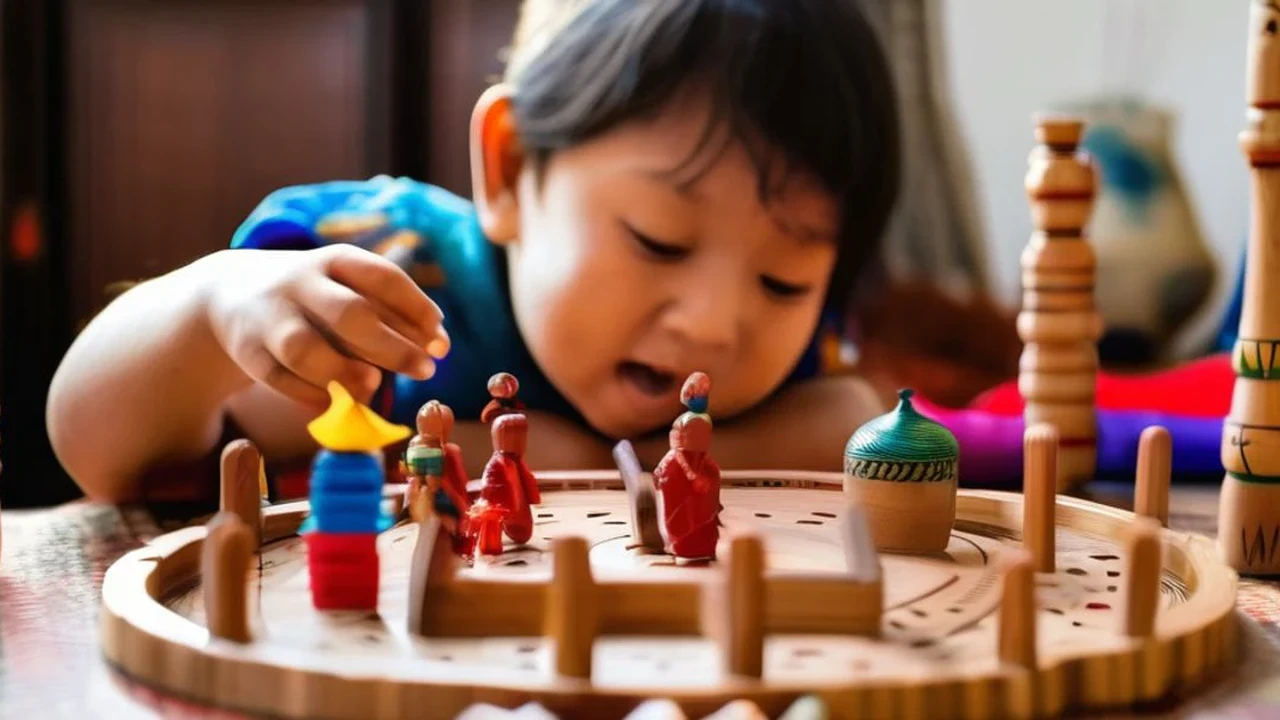
Explore how diverse fashion toys can introduce children to global cultures and traditions.
How Fashion Toys Teach About Different Cultures
Hey there, fellow toy enthusiasts and parents! Have you ever thought about how those fabulous fashion dolls and playsets can be more than just fun? They can actually be amazing tools for teaching kids about different cultures around the world. It's true! When kids play with dolls dressed in traditional attire, or dolls representing various ethnicities, they're not just playing; they're learning, exploring, and developing a broader understanding of our diverse world. Let's dive into how fashion toys can open up a world of cultural discovery for your little ones.
The Power of Representation in Fashion Toys
One of the most impactful ways fashion toys teach about culture is through representation. For a long time, the toy aisle was pretty homogenous, but thankfully, that's changing. Now, you can find dolls with a wide range of skin tones, hair textures, and facial features, reflecting the beautiful diversity of humanity. This isn't just about inclusivity; it's about education. When children see themselves and others represented in their toys, it fosters a sense of belonging and respect. It also helps them understand that beauty comes in all forms and that people from different backgrounds are equally valuable.
Why Diverse Dolls Matter for Cultural Learning
Think about it: if a child only ever plays with dolls that look exactly like them, their understanding of the world might be limited. But introduce them to a doll with a different skin tone, or one wearing a sari, and suddenly, a conversation can begin. These dolls become tangible entry points to discuss geography, history, traditions, and even languages. It's a subtle yet powerful way to break down stereotypes and build empathy from a young age.
Exploring Traditional Attire and Cultural Fashion
Fashion toys are, by their very nature, all about clothing and style. This makes them perfect for showcasing traditional attire from various cultures. Imagine a doll dressed in a Japanese kimono, an Indian lehenga, a Scottish kilt, or an African dashiki. Each outfit tells a story about the culture it comes from – its history, its climate, its values, and its artistry. These details can spark curiosity and lead to deeper learning.
Specific Examples of Culturally Rich Fashion Toys
Let's look at some fantastic examples of fashion toys that excel at cultural representation through their attire:
- Barbie Dolls of the World Collection: Barbie has done a great job with this line, featuring dolls dressed in traditional outfits from countries like Japan, India, Mexico, and Ireland. Each doll often comes with a little passport or information booklet, providing fun facts about the country and its culture. For instance, the Barbie Japanese Kimono Doll (often around $30-$50, depending on rarity) is a beautiful example, showcasing the intricate patterns and elegant silhouette of a traditional kimono. This can lead to discussions about Japanese tea ceremonies or festivals.
- American Girl Dolls: While primarily focused on American history, American Girl has introduced diverse characters and historical periods that touch upon various cultural experiences within the US. For example, the Kira Bailey doll (around $110-$120) focuses on Australian wildlife conservation, and while not a traditional cultural outfit, her accessories and backstory introduce children to a different part of the world and its environmental concerns. Their historical dolls, like Josefina Montoya (representing New Mexico in 1824), wear period-appropriate clothing that reflects the blend of Spanish and Native American cultures of the time.
- L.O.L. Surprise! World Travel Dolls: These popular dolls often feature outfits inspired by different global destinations, albeit in a more stylized, playful way. While not strictly traditional, they can still introduce concepts of global travel and diverse aesthetics. For example, a doll with a Parisian-inspired outfit might spark interest in French culture. These are typically in the $10-$20 range.
- Folkmanis Puppets (Cultural Series): While not strictly fashion dolls, Folkmanis offers beautiful hand puppets representing various cultural figures and animals, often with traditional clothing. For example, their Chinese Dragon Puppet (around $50-$70) or their African Elephant Puppet can be used in storytelling to explore different cultural narratives and traditions.
- Customizable Dolls with Cultural Outfits: Some smaller brands or Etsy sellers offer dolls with interchangeable outfits that include traditional wear from various regions. This allows for a more hands-on approach to cultural exploration. Prices vary widely depending on the artisan.
Beyond Clothing: Accessories and Storytelling
It's not just the clothes! Accessories play a huge role in cultural storytelling. A doll might come with a miniature musical instrument, a traditional basket, or a specific type of jewelry. These small details can open up discussions about music, crafts, daily life, and customs in different parts of the world.
Integrating Cultural Narratives into Playtime
Encourage your child to create stories around these culturally diverse dolls. Ask questions like: “Where do you think this doll lives?” “What kind of food do you think she eats?” “What traditions does her family celebrate?” This kind of imaginative play helps children internalize cultural information in a fun and engaging way. You can even pair the dolls with books or documentaries about the cultures they represent to deepen the learning experience.
Comparing Different Cultural Toy Lines
When choosing cultural fashion toys, you'll notice some brands focus on historical accuracy, while others take a more modern or stylized approach. Both have their merits!
Historical Accuracy vs. Modern Interpretation in Cultural Toys
- Historical Accuracy: Brands like Barbie's Dolls of the World or some independent artisan dolls strive for authenticity in their traditional outfits. These are fantastic for teaching specific historical or ethnographic details. The Barbie Princess of the Pacific Islands Doll (a collector's item, price varies) is a good example, with intricate details reflecting Polynesian culture.
- Modern Interpretation: Other brands might offer dolls with contemporary fashion that incorporates cultural elements, like a modern dress with a traditional print, or a doll with a unique hairstyle common in a certain region. These can be great for showing how cultures evolve and influence modern trends. For example, some Rainbow High dolls (around $25-$35) feature diverse characters with unique styles that subtly nod to various cultural aesthetics without being overtly traditional.
When comparing, consider what you want your child to learn. For deep dives into specific traditions, historically accurate dolls are best. For broader exposure to global diversity in a contemporary context, modern interpretations work well.
The Role of Play Scenarios in Cultural Understanding
The way children play with these toys is just as important as the toys themselves. Encourage scenarios that involve cultural exchange, celebrations, or daily life in different parts of the world. For example, your child could set up a miniature market scene inspired by a country, or have the dolls attend a traditional festival.
Creating Immersive Cultural Play Experiences
You can enhance the experience by adding elements like:
- Music: Play traditional music from the culture the doll represents.
- Food: Try making a simple, child-friendly dish from that culture.
- Books: Read children's books that feature characters or stories from that culture.
- Maps: Locate the country on a map or globe to give geographical context.
For instance, if you have a doll representing Mexico, you could listen to mariachi music, try making some simple tacos, read a book about Frida Kahlo, and point out Mexico on a map. This multi-sensory approach makes the learning much more memorable and engaging.
Where to Find Culturally Diverse Fashion Toys and Their Costs
You might be wondering where to get your hands on these awesome cultural learning tools. Here's a quick guide:
- Major Retailers (Target, Walmart, Amazon): These often carry mainstream diverse lines like Barbie Fashionistas, L.O.L. Surprise!, and some Rainbow High dolls that feature a range of ethnicities. Prices for these typically range from $10 to $40.
- Specialty Toy Stores: Smaller, independent toy stores might stock unique brands or artisan dolls that focus more heavily on cultural representation. Prices can vary widely, from $20 to $100+ for collector's items.
- Online Marketplaces (Etsy, eBay): Etsy is a treasure trove for handmade dolls and custom outfits, including traditional cultural attire. eBay is great for finding retired or collector's edition dolls, like the older Barbie Dolls of the World. Prices here are highly variable, from $15 to several hundred dollars for rare items.
- Museum Gift Shops: Sometimes, museum gift shops (especially those focused on anthropology or world cultures) will carry high-quality, culturally accurate dolls or figurines. These can be a bit pricier, often in the $40-$80+ range, but are usually very well-made and educational.
When considering the cost, think about the educational value. A slightly more expensive, well-researched doll can provide far more learning opportunities than a generic one.
The Long-Term Impact of Cultural Fashion Toys
Introducing children to diverse cultures through fashion toys isn't just about fun facts; it's about building a foundation for global citizenship. It fosters empathy, reduces prejudice, and encourages an open-minded perspective on the world. When children learn to appreciate differences from a young age, they grow into adults who are more understanding, tolerant, and ready to engage with people from all walks of life.
So, next time you're looking for a new fashion toy, consider one that tells a story, one that opens a window to another part of the world. It's an investment not just in playtime, but in a more culturally aware and compassionate future for our kids.
:max_bytes(150000):strip_icc()/277019-baked-pork-chops-with-cream-of-mushroom-soup-DDMFS-beauty-4x3-BG-7505-5762b731cf30447d9cbbbbbf387beafa.jpg)