The Ultimate Guide to Fashion Toy Photography
Learn how to take stunning photos of your fashion toys for social media and display.
Learn how to take stunning photos of your fashion toys for social media and display.
The Ultimate Guide to Fashion Toy Photography
Hey there, fellow fashion toy enthusiasts! Ever wondered how some collectors manage to snap those absolutely breathtaking photos of their dolls and figures? You know, the ones that look like they belong in a high-fashion magazine? Well, you're in luck! This guide is all about helping you elevate your fashion toy photography game, whether you're just starting out or looking to refine your skills. We'll cover everything from basic gear to advanced techniques, product recommendations, and even how to make your photos pop on social media. Get ready to turn your beloved fashion toys into supermodels!
Essential Gear for Fashion Toy Photography: What You Need to Get Started
First things first, let's talk about the tools of the trade. You don't need a professional studio setup to take great photos, but a few key items can make a huge difference. Think of these as your basic toolkit for capturing those perfect shots.
Camera Choices for Fashion Toy Photography: From Smartphone to DSLR
You might be surprised, but your smartphone is a fantastic starting point! Modern smartphones like the iPhone 15 Pro Max or Samsung Galaxy S24 Ultra have incredible cameras capable of producing high-quality images. They're convenient, easy to use, and often have built-in editing features. For example, the iPhone 15 Pro Max (around $1199 USD) offers excellent low-light performance and a versatile lens system, perfect for capturing intricate details on your dolls. The Samsung Galaxy S24 Ultra (around $1299 USD) boasts a powerful zoom and AI-enhanced photography, which can be great for creative shots.
If you're ready to step up, a mirrorless camera or DSLR offers more control and better image quality. Brands like Sony, Canon, and Nikon have excellent entry-level options. For instance, the Sony Alpha a6100 (body only, around $749 USD) is a popular mirrorless choice, compact yet powerful, with fast autofocus. The Canon EOS Rebel T8i (with kit lens, around $899 USD) is a solid DSLR for beginners, offering a good balance of features and ease of use. These cameras allow you to experiment with aperture, shutter speed, and ISO, giving you more creative freedom.
Lighting Solutions for Fashion Toy Photography: Natural Light vs Artificial Light
Lighting is arguably the most crucial element in photography. Natural light is your best friend, especially soft, diffused light from a window. Avoid direct harsh sunlight, as it can create unflattering shadows. Position your setup near a window, and if the light is too strong, use a sheer curtain to diffuse it. This creates a soft, even illumination that's perfect for fashion toys.
When natural light isn't available or sufficient, artificial lighting comes into play. A simple ring light (like the Neewer 18-inch Ring Light, around $80 USD) is a popular choice for its even, shadow-reducing illumination, great for close-ups. Softboxes (like the Neewer 24x24 inch Softbox, around $60 USD each) are another excellent option, providing soft, diffused light similar to natural window light. You'll typically need two for a balanced setup. LED panel lights (like the Godox SL60W, around $150 USD) offer more power and control, ideal for more advanced setups. Experiment with positioning your lights to create different moods and highlight specific features of your fashion toys.
Backdrops and Props for Fashion Toy Photography: Setting the Scene
The right backdrop can transform your photo from ordinary to extraordinary. Simple, solid-colored cardstock or fabric works wonders for a clean, professional look. You can find large sheets of craft paper at art supply stores for just a few dollars. For more elaborate scenes, consider miniature dioramas, dollhouse furniture, or even everyday objects that can be repurposed as props. Think about the story you want to tell with your photo. Is your doll at a glamorous party? A cozy cafe? A walk in the park? Props like tiny handbags, miniature food, or even small plants can add depth and realism. For example, a miniature armchair (around $15-30 USD on Etsy) can instantly create a cozy living room scene, while a tiny coffee cup (around $5-10 USD) adds a touch of everyday charm.
Tripods and Stands for Fashion Toy Photography: Stability is Key
A tripod is essential for sharp, blur-free photos, especially in lower light conditions or when you're trying to achieve a very specific angle. Even a small tabletop tripod (like the Joby GorillaPod 3K, around $40 USD) can make a huge difference for smartphone photography. For larger cameras, a sturdy full-size tripod (like the Manfrotto Compact Action Tripod, around $70 USD) is a worthwhile investment. They allow you to set up your shot precisely and keep your camera perfectly still, which is crucial for capturing fine details and consistent lighting.
Mastering the Art of Fashion Toy Photography: Techniques and Tips
Now that you have your gear, let's dive into the fun part: actually taking the photos! These techniques will help you capture your fashion toys in their best light.
Composition and Framing in Fashion Toy Photography: Rule of Thirds and Angles
Composition is how you arrange elements within your frame. The 'Rule of Thirds' is a classic guideline: imagine your image divided into nine equal sections by two horizontal and two vertical lines. Place your subject or key elements along these lines or at their intersections for a more balanced and engaging photo. Don't always center your doll; sometimes placing them slightly off-center creates a more dynamic image.
Experiment with different angles. Shooting from eye-level with your doll can create a sense of intimacy. Shooting from a low angle can make your doll appear more imposing or heroic. A high angle can make them look smaller or more vulnerable. Get down on the floor, climb on a chair – whatever it takes to find that unique perspective!
Focus and Depth of Field in Fashion Toy Photography: Blurry Backgrounds and Sharp Details
A shallow depth of field, where your subject is sharp and the background is beautifully blurred (often called 'bokeh'), is a hallmark of professional-looking fashion photography. This helps your fashion toy stand out. On a smartphone, use 'Portrait Mode' to achieve this effect. With a camera, use a wide aperture (a low f-number, like f/1.8 or f/2.8). The lower the f-number, the blurrier your background will be. For example, a 50mm f/1.8 lens (often called a 'nifty fifty', around $125-250 USD depending on brand) is excellent for achieving this effect on a DSLR or mirrorless camera. Make sure your doll's eyes are in sharp focus – that's usually the most important part!
Posing Your Fashion Toys: Bringing Them to Life
Posing is crucial for conveying emotion and dynamism. Don't just stand your doll straight up. Bend their limbs, tilt their head, and position their hands to create natural, expressive poses. Think about what a human model would do. Look at fashion magazines for inspiration. A slight bend in the knee, a hand on the hip, or a graceful arm gesture can make a huge difference. Use doll stands (like the Kaiser Doll Stand, around $5-10 USD) to keep them stable while you pose, and then carefully edit them out later if needed.
Editing Your Fashion Toy Photos: Enhancing Your Shots
Editing is where your photos truly come to life. You don't need expensive software. Free apps like Snapseed (mobile), Adobe Lightroom Mobile (free version), or even your phone's built-in editor can do wonders. Adjust brightness, contrast, saturation, and sharpness. Crop your images to improve composition. Remove any distracting elements. Don't over-edit; the goal is to enhance, not to create something unnatural. A little goes a long way!
Advanced Techniques for Stunning Fashion Toy Photography: Taking It to the Next Level
Ready to push your boundaries? These techniques will help you create truly unique and captivating images.
Creative Lighting Setups for Fashion Toy Photography: Beyond the Basics
Once you're comfortable with basic lighting, start experimenting. Try backlighting your doll to create a dramatic silhouette or a glowing halo effect. Use colored gels on your lights to add mood and atmosphere – a blue gel for a cool, mysterious vibe, or a warm orange for a sunset feel. Experiment with light painting, where you use a small light source (like a flashlight) to 'paint' light onto your doll during a long exposure. This can create ethereal and artistic effects.
Forced Perspective and Scale Play in Fashion Toy Photography: Big Worlds, Small Subjects
Forced perspective is a super fun technique where you make your fashion toy appear larger or smaller than they actually are by playing with distance and angles. Imagine your doll interacting with a full-sized object, like sitting on a real book or 'climbing' a houseplant. This creates whimsical and imaginative scenes. You can also use miniature props that are slightly out of scale to create a surreal effect, making your doll seem like they're in a slightly off-kilter world.
Action Shots and Dynamic Posing for Fashion Toy Photography: Capturing Movement
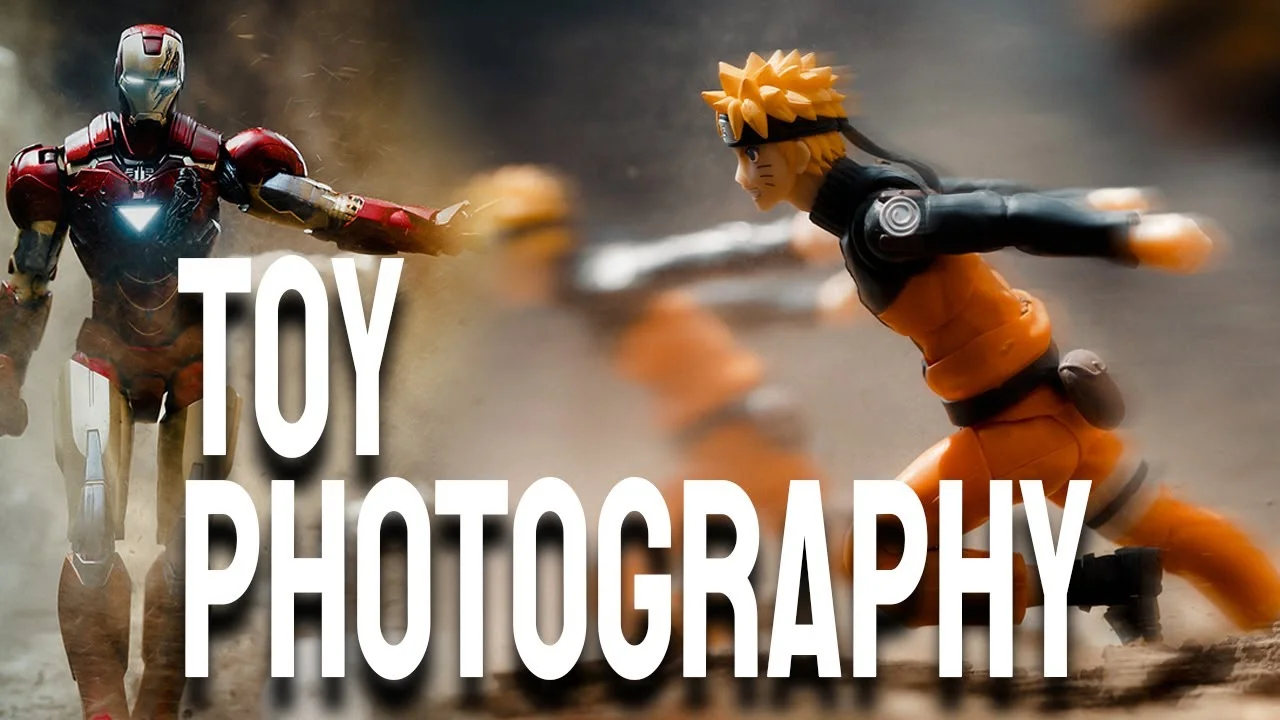
It can be challenging to make a static doll look like it's moving, but it's definitely possible! Use props like flowing fabric or even a small fan to create a sense of wind. Position your doll in dynamic poses, as if they're mid-stride or jumping. If your camera allows, use a fast shutter speed to freeze motion. You can also use creative editing to add motion blur in post-production, giving the illusion of speed.
Storytelling Through Fashion Toy Photography: Building Narratives
Don't just take a picture; tell a story! Think about a series of photos that convey a narrative. Is your doll going on an adventure? Having a tea party with friends? Preparing for a fashion show? Use multiple shots, different poses, and varied backdrops to build a compelling story. This adds a whole new layer of engagement for your audience.
Showcasing Your Fashion Toy Photography: Sharing Your Art
You've put in all that effort, now it's time to share your amazing work with the world!
Best Platforms for Sharing Fashion Toy Photography: Instagram, Flickr, and More
Instagram is undoubtedly the king for visual content. Use relevant hashtags like #fashiondollphotography, #dollphotography, #barbiephotography, #rainbowhigh, #dollcollector, and specific brand hashtags to reach a wider audience. Flickr is another great platform for photographers, offering higher resolution uploads and a more photography-focused community. Pinterest is excellent for visual discovery and inspiration. Don't forget dedicated doll forums and Facebook groups where you can connect with fellow collectors and get feedback.
Engaging with the Fashion Toy Photography Community: Likes, Comments, and Feedback
Photography is a journey, and the community is a huge part of it. Engage with other photographers, leave thoughtful comments, and participate in challenges. Don't be afraid to ask for constructive criticism – it's how you grow! The fashion toy community is generally very supportive and enthusiastic, so dive in and make some new friends.
Tips for Growing Your Fashion Toy Photography Audience: Hashtags and Consistency
Consistency is key. Try to post regularly, even if it's just a few times a week. Use a mix of popular and niche hashtags. Engage with your followers by responding to comments and messages. Consider collaborating with other doll photographers. Most importantly, keep practicing and experimenting. The more you shoot, the better you'll become, and your passion will shine through in your work, attracting more admirers.
So there you have it! Your comprehensive guide to fashion toy photography. Remember, the most important thing is to have fun and let your creativity flow. Your fashion toys are waiting to be stars, and with these tips, you're well on your way to making them shine!
:max_bytes(150000):strip_icc()/277019-baked-pork-chops-with-cream-of-mushroom-soup-DDMFS-beauty-4x3-BG-7505-5762b731cf30447d9cbbbbbf387beafa.jpg)