Top 7 Educational Benefits of Fashion Toys
Uncover the 7 key educational advantages that fashion toys offer to children.
Uncover the 7 key educational advantages that fashion toys offer to children.
Top 7 Educational Benefits of Fashion Toys
Hey there, parents and toy enthusiasts! When you think about fashion toys, what comes to mind? Glamorous dolls, stylish outfits, maybe a miniature runway? While all that is certainly part of the fun, it's easy to overlook the incredible educational benefits these toys bring to the table. Fashion toys aren't just about looking good; they're powerful tools for learning and development. Let's dive deep into the top 7 educational advantages that fashion toys offer to children, from toddlers to pre-teens, and explore some specific products that exemplify these benefits.
1. Fostering Creativity and Imagination with Fashion Dolls
One of the most immediate and profound benefits of fashion toys is their ability to spark creativity and imagination. Children aren't just playing with a doll; they're creating entire worlds, narratives, and scenarios. They become stylists, designers, storytellers, and directors all at once. This open-ended play is crucial for cognitive development.
How Fashion Toys Boost Creative Thinking
When a child dresses a doll, they're making choices about color, texture, style, and occasion. This process encourages them to think outside the box and experiment. They might imagine their doll going to a grand ball, a casual picnic, or even a superhero mission, each requiring a different outfit and backstory. This imaginative play helps children develop abstract thinking and problem-solving skills as they navigate their self-created scenarios.
Recommended Products for Creative Play
- Barbie Fashionista Dolls: These dolls come in diverse body types, skin tones, and hairstyles, promoting inclusivity and offering a wider range of styling possibilities. Their extensive wardrobe sets (often sold separately) allow for endless mix-and-match fun. A typical Fashionista doll costs around $10-$15, while outfit packs range from $5-$20.
- Rainbow High Dolls: Known for their vibrant colors and detailed fashion, Rainbow High dolls encourage children to explore color theory and bold styling. Each doll has a distinct personality and comes with multiple outfits, prompting kids to think about character development through fashion. Prices usually range from $25-$35 per doll.
- L.O.L. Surprise! O.M.G. Fashion Dolls: These dolls are all about the unboxing experience and discovering unique fashion pieces. The surprise element adds excitement and encourages creative assembly of outfits. Expect to pay around $20-$30 for an O.M.G. doll.
2. Enhancing Fine Motor Skills and Dexterity through Dressing Dolls
Manipulating small clothing items, tiny buttons, zippers, and accessories requires a significant amount of fine motor control. This seemingly simple act of dressing a doll is a fantastic workout for little fingers and hands, improving dexterity and hand-eye coordination.
The Importance of Fine Motor Development in Children
Developing fine motor skills is essential for everyday tasks like writing, drawing, tying shoelaces, and using utensils. Fashion toys provide a playful and engaging way to practice these skills without children even realizing they're learning. The repetitive actions of putting on and taking off clothes, fastening closures, and styling hair contribute directly to muscle memory and precision.
Specific Toys for Dexterity Improvement
- Baby Alive Dolls with Removable Outfits: These dolls often have slightly larger clothing pieces, making them ideal for younger children who are just beginning to refine their fine motor skills. The act of changing a baby doll's diaper or outfit is a practical and engaging exercise. Prices vary widely, from $15 for basic models to $60+ for interactive ones.
- Polly Pocket Playsets: While tiny, the small clothes and accessories in Polly Pocket sets challenge older children to use precise pincer grasps and careful manipulation. This can be a great step up once they've mastered larger doll clothes. Small sets are typically $10-$20.
- Any Fashion Doll with Intricate Fastenings: Look for dolls with outfits that feature small snaps, Velcro, or even tiny zippers. These provide more of a challenge and greater opportunity for skill development.
3. Promoting Social and Emotional Learning SEL with Fashion Play
Fashion toys are excellent catalysts for social and emotional development. Through role-playing and storytelling, children explore emotions, practice empathy, and learn about social interactions. They can act out real-life scenarios or create entirely new ones, processing their understanding of the world around them.
Building Empathy and Understanding Through Doll Play
When children play with dolls, they often project their own feelings and experiences onto them. They might comfort a doll, scold it, or celebrate with it. This helps them understand and express a range of emotions in a safe environment. Playing with others also teaches negotiation, sharing, and cooperation.
Fashion Toys for Social Emotional Growth
- Our Generation Dolls: These 18-inch dolls come with diverse backstories and accessories that encourage imaginative play centered around friendships, hobbies, and everyday life. Their size makes them feel more like companions, fostering nurturing play. Dolls typically cost $25-$40, with accessory sets ranging from $10-$30.
- American Girl Dolls: Known for their rich historical and contemporary stories, American Girl dolls often come with books that explore themes of resilience, kindness, and overcoming challenges. Playing with these dolls can lead to discussions about important social issues and personal values. These are a premium option, with dolls starting around $115.
- Any Doll with Diverse Representation: Dolls that represent different cultures, abilities, and backgrounds help children develop a broader understanding of the world and foster inclusivity. Brands like Barbie Fashionistas and Creatable World (though discontinued, still available) are great for this.
4. Encouraging Language Development and Communication Skills
When children engage in imaginative play with fashion toys, they are constantly using and developing their language skills. They narrate stories, create dialogue for their dolls, and describe outfits and scenarios. This verbalization is crucial for vocabulary expansion and communication proficiency.
How Fashion Toys Spark Conversations
Whether playing alone or with friends, children will often talk through their play. They might describe the 'fancy dress' or the 'cool shoes,' or explain why their doll is going to a 'party.' This internal and external dialogue strengthens their ability to articulate thoughts and ideas. When playing with others, they learn to listen, respond, and negotiate, further honing their communication skills.
Products That Promote Verbal Expression
- Playsets with Themed Accessories: Fashion playsets that include specific themes like a 'fashion studio,' 'boutique,' or 'pet salon' often come with accessories that prompt specific vocabulary and scenarios. For example, a 'fashion studio' might include terms like 'sewing machine,' 'fabric swatches,' and 'design board.' These sets can range from $30-$70.
- Dolls with Interactive Features: Some dolls have simple phrases or sounds that can encourage children to respond and engage in conversation. While not strictly 'fashion' toys, dolls that prompt interaction can be paired with fashion elements.
- Story-Driven Fashion Doll Lines: Dolls that come with accompanying books or animated series (like Monster High or Ever After High) can inspire children to recreate scenes or invent new ones, using the language and themes from the stories.
5. Introducing Basic Concepts of Design and Aesthetics
Fashion toys are a child's first foray into the world of design, aesthetics, and personal expression. They learn about color coordination, patterns, textures, and how different elements come together to create a cohesive look. This foundational understanding can even spark an early interest in art, fashion, or interior design.
Understanding Color, Pattern, and Style Through Play
Children intuitively learn about complementary colors, contrasting patterns, and the impact of different silhouettes. They might discover that certain shoes don't 'match' a particular dress, or that a specific accessory 'completes' an outfit. This hands-on experimentation builds an aesthetic sensibility and an appreciation for visual harmony.
Fashion Toys for Design Exploration
- Mix-and-Match Fashion Packs: Brands like Barbie and Rainbow High often sell separate fashion packs that encourage children to experiment with different combinations. These packs typically cost $10-$25.
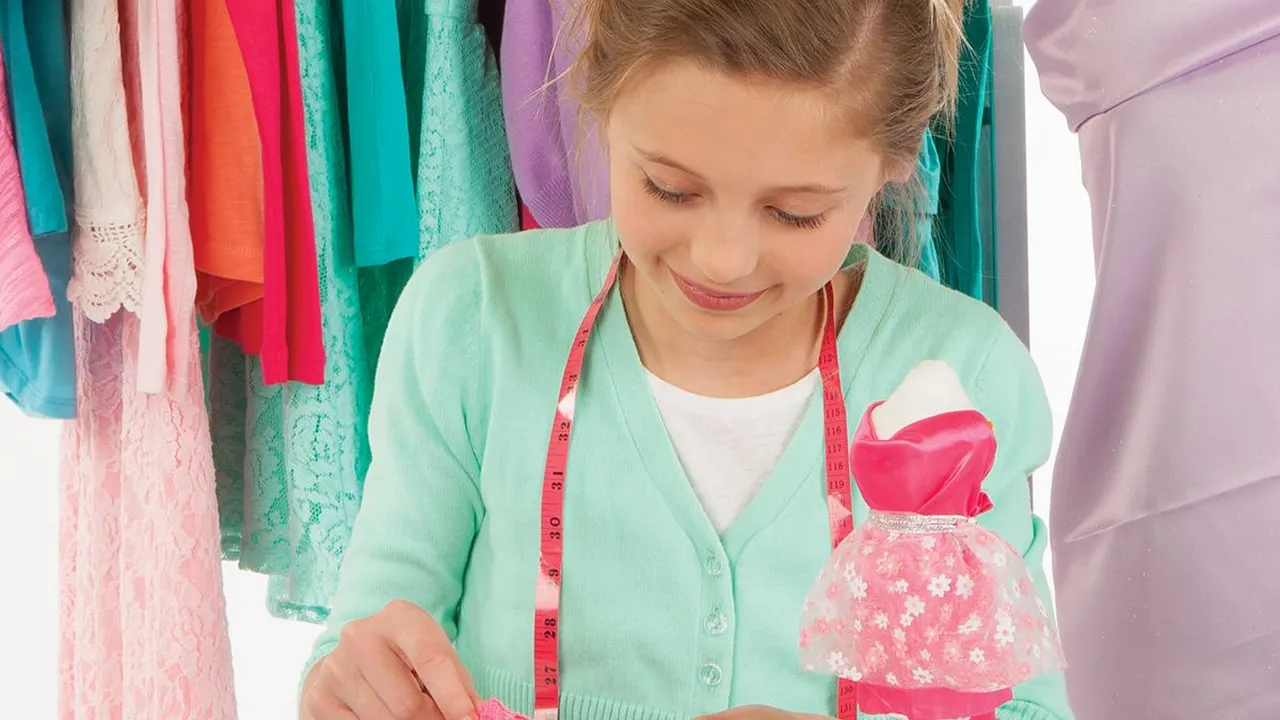
- Fashion Design Kits for Dolls: Some kits allow children to design and create their own doll clothes using fabric scraps, stencils, and embellishments. These kits take the design concept a step further, introducing basic crafting skills. Prices for these kits can range from $20-$50.
- Project Mc2 Dolls: While primarily STEM-focused, these dolls often incorporate fashion elements into their scientific experiments, showing how design and function can intertwine. This can be a great way to introduce the concept of 'form meets function.'
6. Developing Problem-Solving Skills and Logical Thinking
Believe it or not, playing with fashion toys involves a fair bit of problem-solving. A child might encounter a challenge like 'this dress doesn't fit right' or 'I need an outfit for a rainy day.' They then have to think logically to find a solution, whether it's trying a different outfit, adjusting an accessory, or imagining a new scenario.
Navigating Challenges in Imaginative Play
Consider a child trying to dress a doll for a specific event. They might need to select an outfit that is both appropriate and aesthetically pleasing. If a piece of clothing is difficult to put on, they learn to manipulate it, turn it, or try a different approach. These small 'problems' in play build resilience and critical thinking skills.
Toys That Encourage Logical Solutions
- Fashion Playsets with Multiple Components: Sets that require assembly or have various interchangeable parts (like a dollhouse with furniture, or a fashion boutique with display racks) encourage children to think about spatial relationships and organization.
- Dolls with Transformable Outfits: Some dolls come with outfits that can be transformed into different looks, requiring children to understand how pieces connect and change. This promotes understanding of cause and effect.
- DIY Fashion Toy Kits: Kits that involve creating or customizing doll clothes often present small design challenges that require planning and execution.
7. Cultivating Self-Expression and Identity Exploration
Fashion is a powerful form of self-expression, and fashion toys provide a safe and playful avenue for children to explore their own budding identities. They can experiment with different styles, roles, and personalities through their dolls, trying on various 'looks' and seeing how they feel.
Understanding Personal Style and Preferences
By choosing outfits and accessories for their dolls, children are making decisions about what they find appealing, what represents a certain mood, or what fits a particular character. This process helps them understand their own preferences and develop a sense of personal style, even if it's just for their doll. It's a low-stakes way to try out different aspects of identity.
Fashion Toys for Identity Exploration
- Creatable World Dolls (Mattel): While no longer in production, these dolls were designed to be gender-neutral and highly customizable, allowing children to create their own characters without predefined labels. If you can find them, they are excellent for exploring identity.
- Any Doll with Extensive Customization Options: Dolls that allow for interchangeable wigs, diverse clothing lines, and accessories empower children to truly make the doll their own, reflecting their unique vision.
- Dolls Representing Diverse Professions/Hobbies: Dolls that come with outfits and accessories for different careers (e.g., Barbie Doctor, Barbie Astronaut) allow children to explore various roles and imagine themselves in those positions, linking fashion to aspiration.
So, the next time you see a child engrossed in playing with fashion toys, remember that they're not just having fun. They're actively engaging in a rich learning experience that nurtures their creativity, refines their motor skills, builds their emotional intelligence, expands their language, introduces them to design, hones their problem-solving abilities, and helps them explore who they are. Fashion toys are truly more than just pretty faces; they're educational powerhouses in disguise!
:max_bytes(150000):strip_icc()/277019-baked-pork-chops-with-cream-of-mushroom-soup-DDMFS-beauty-4x3-BG-7505-5762b731cf30447d9cbbbbbf387beafa.jpg)