Using Fashion Toys to Teach Color Theory
Creative ways to educate children about colors and combinations using fashion toys.
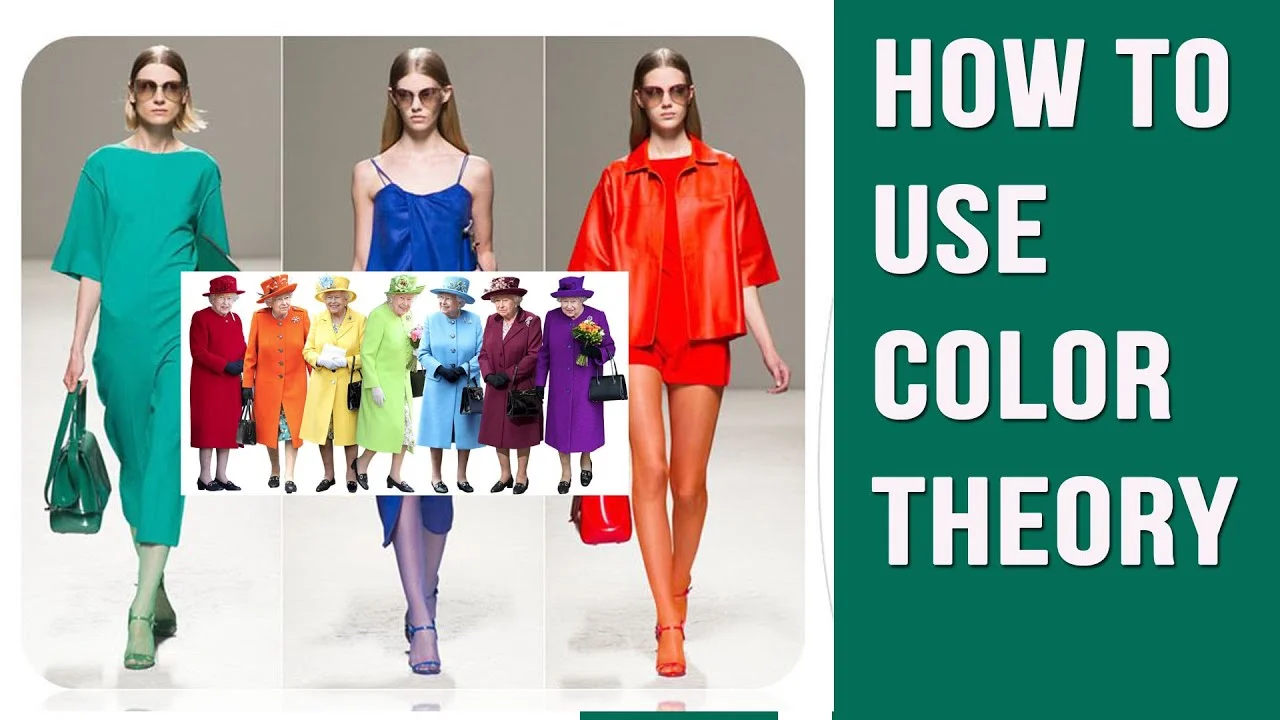
Creative ways to educate children about colors and combinations using fashion toys.
Using Fashion Toys to Teach Color Theory
Hey there, fellow parents and educators! Ever thought about how those fabulous fashion toys your kids adore could actually be a secret weapon for teaching something as fundamental as color theory? It might sound a bit out there, but trust me, it's a super engaging and hands-on way to introduce complex concepts like primary, secondary, and tertiary colors, as well as color mixing, complementary colors, and even warm and cool tones. Kids are naturally drawn to vibrant colors and the imaginative play that fashion toys offer, making them the perfect medium for a fun, educational experience. Forget boring textbooks; let's dive into a world where learning about hues and shades is as exciting as dressing up a doll for a runway show!
Why Fashion Toys are Perfect for Color Education
So, why fashion toys specifically? Well, they're inherently visual and tactile. Kids are constantly interacting with different outfits, accessories, and even hair colors. This constant exposure to a wide spectrum of colors provides a natural playground for color exploration. Unlike flat images in a book, fashion toys offer three-dimensional objects that can be manipulated, combined, and observed under different lighting conditions. This hands-on approach solidifies understanding in a way that passive learning simply can't. Plus, the narrative aspect of fashion play – creating stories, scenarios, and characters – adds another layer of engagement, making the learning process feel less like a lesson and more like an adventure. We're talking about making learning stick, not just for a test, but for life!
Primary Colors Fun with Fashion Dolls
Let's start with the basics: primary colors. These are red, blue, and yellow – the building blocks of all other colors. With fashion dolls, this is incredibly easy to demonstrate. Gather a few dolls or outfits that are distinctly red, blue, and yellow. For example, you might have a Barbie in a bright red dress, a Rainbow High doll with striking blue hair, and an L.O.L. Surprise! OMG doll sporting a vibrant yellow jacket. Lay them out and ask your child to identify each color. You can even turn it into a game: “Can you find something red for our doll to wear?” or “Which doll has the bluest outfit?”
Recommended Products for Primary Color Play:
- Barbie Fashionistas Dolls: These dolls come in a wide range of skin tones, body types, and, crucially for us, outfits. Look for individual dolls or fashion packs that prominently feature red, blue, and yellow. They are widely available at major retailers like Target, Walmart, and Amazon, typically ranging from $10-$20 per doll.
- Rainbow High Dolls: Known for their vibrant, monochromatic outfits and hair, Rainbow High dolls are fantastic for isolating specific colors. For primary colors, you could look for Ruby Anderson (red), Skyler Bradshaw (blue), and Sunny Madison (yellow). These dolls usually retail for $25-$35.
- L.O.L. Surprise! OMG Dolls: Many of these dolls have distinct color themes. While not always strictly primary, you can often find outfits and accessories that lean heavily into red, blue, or yellow. Prices vary, but typically $20-$30 per doll.
Activity Idea: Primary Color Fashion Show! Have your child pick out all the red, blue, and yellow clothing items and accessories from their fashion toy collection. Then, have them dress their dolls exclusively in these primary colors and put on a 'Primary Color Fashion Show,' explaining which color each doll is wearing. This reinforces recognition and categorization.
Mixing Secondary Colors with Doll Outfits
Once primary colors are understood, it's time to introduce secondary colors: orange, green, and purple. This is where the magic of color mixing comes in! Explain that when you mix two primary colors, you get a secondary color. For instance, red and yellow make orange, blue and yellow make green, and red and blue make purple.
With fashion toys, you can demonstrate this visually. Take a doll wearing a red top and another with yellow pants. Explain that if you could 'mix' these, you'd get orange. Then, find an orange outfit or accessory. You can even use transparent colored overlays (like cellophane) over primary-colored doll clothes to visually simulate the mixing process. For example, place a yellow cellophane over a blue dress to show how it turns green.
Recommended Products for Secondary Color Exploration:
- Barbie Fashion Packs: These often include multiple pieces that can be mixed and matched. Look for packs that have primary colored items that can be conceptually 'mixed' to form secondary colors. For example, a pack with a red skirt and a yellow top, and then a separate orange dress. Prices are usually $5-$15 per pack.
- Creatable World Dolls (Mattel): While not strictly fashion dolls, their customizable nature and wide range of clothing options in various colors make them excellent for demonstrating color mixing. You can literally put a blue top and yellow pants on one doll and then find a green item. These dolls are harder to find now but can sometimes be found online for around $20-$30.
- Any fashion doll with a good wardrobe: The key here is having a variety of clothing items in primary colors that can be combined. The more mix-and-match options, the better.
Activity Idea: Secondary Color Challenge! Challenge your child to create an outfit that represents orange, green, or purple by combining primary-colored items. For example, if they put a red shirt and blue pants on a doll, ask them what color they would get if those two colors mixed. Then, have them find a purple accessory to complete the 'mixed' look.
Exploring Tertiary Colors and Beyond with Fashion Accessories
Tertiary colors are a bit more advanced, formed by mixing a primary color with a neighboring secondary color (e.g., red-orange, yellow-green, blue-violet). This is where the vast array of fashion toy accessories really shines. Think about all the different shades of shoes, bags, jewelry, and hair clips. This is also a great time to introduce the concept of tints (adding white) and shades (adding black) to a color, making it lighter or darker.
Have your child sort accessories by color, then try to find items that represent tertiary colors. For example, if they have a red dress and an orange purse, point out how red-orange is a blend of those two. You can also discuss how adding white to a color makes it a 'tint' (like light pink from red) and adding black makes it a 'shade' (like maroon from red).
Recommended Products for Tertiary Color and Shade Exploration:
- Barbie Extra Dolls: These dolls are all about bold fashion and come with a plethora of accessories, often in unique and varied color palettes, perfect for finding those in-between tertiary colors and different shades. They typically cost $25-$35.
- My Little Pony Equestria Girls Minis: While smaller, these figures often have very distinct color schemes for their outfits and hair, allowing for a good visual representation of various hues and shades. They are generally more affordable, around $10-$15.
- Any large collection of fashion toy accessories: The more variety in accessories, the better. Look for accessory packs from brands like Our Generation or American Girl, which often have a wide range of colors and styles.
Activity Idea: Color Wheel Creation! Using a large piece of paper, draw a simple color wheel. As your child finds outfits or accessories that match primary, secondary, and tertiary colors, have them place the items (or small pictures of them) onto the corresponding sections of the wheel. This visual aid helps solidify the relationships between colors.
Understanding Warm and Cool Colors in Fashion Play
This is a fun one! Explain that some colors feel 'warm' (like the sun or fire – reds, oranges, yellows) and others feel 'cool' (like water or ice – blues, greens, purples). Have your child sort their fashion toy clothes and accessories into two piles: warm colors and cool colors. Discuss how different colors evoke different feelings or moods. A doll dressed in warm colors might look energetic or cozy, while one in cool colors might look calm or mysterious.
Recommended Products for Warm and Cool Color Sorting:
- Any fashion doll line with diverse wardrobes: The key is having enough variety to make distinct warm and cool piles. Brands like Barbie, Rainbow High, and L.O.L. Surprise! OMG all offer a good range.
- Fashion Design Kits for Dolls: Some kits allow kids to color or design their own doll clothes. This gives them direct control over applying warm or cool colors. Look for kits from brands like Crayola or Melissa & Doug, often priced $15-$30.
Activity Idea: Mood Board Fashion! Give your child two dolls. Challenge them to dress one doll in an outfit that makes them feel 'warm' and happy, and the other in an outfit that makes them feel 'cool' and calm. Discuss their choices and why those colors evoke those feelings.
Complementary Colors and Striking Outfits
Complementary colors are colors opposite each other on the color wheel (e.g., red and green, blue and orange, yellow and purple). Explain that these pairs create a strong contrast and make each other 'pop.' This is a fantastic concept for teaching about visual impact and design.
Have your child try to create outfits using complementary colors. For example, a doll in a green dress with red shoes, or a blue top with orange pants. Discuss how these combinations are bold and eye-catching. You can even talk about how designers use these color pairings to create dramatic looks.
Recommended Products for Complementary Color Combinations:
- Rainbow High Dolls: Many Rainbow High dolls feature complementary color schemes in their outfits, making them excellent examples. For instance, some dolls might have a strong blue and orange contrast.
- Mix-and-Match Fashion Doll Sets: Look for sets that offer a wide variety of tops, bottoms, and accessories in different colors, allowing for endless complementary combinations. Brands like Barbie and Disney Princess often have these.
Activity Idea: Complementary Color Challenge! Provide your child with a specific complementary pair (e.g., red and green). Challenge them to create the most stylish outfit they can using only those two colors for their doll. This encourages creative problem-solving within a specific color constraint.
Beyond the Basics: Tints, Shades, and Tones with Doll Hair and Makeup
Once the core concepts are grasped, you can delve deeper into tints (color + white), shades (color + black), and tones (color + gray). Fashion dolls, especially those with varied hair colors or makeup details, are perfect for this. Think about a doll with light pink hair versus dark pink, or a doll with a pale blue eyeshadow versus a deep navy. These subtle variations are excellent for illustrating these concepts.
Have your child compare different shades of the same color. “Is this dress a light blue or a dark blue?” “Does this doll have a bright red lip or a muted red?” This helps them develop a more nuanced understanding of color.
Recommended Products for Tints, Shades, and Tones:
- Hair Play Dolls: Dolls specifically designed for hair styling, like some Barbie Color Reveal or Rainbow High dolls, often have hair that changes color or comes in various shades, making them ideal for discussing tints and shades.
- Dolls with Detailed Makeup: Some fashion dolls feature intricate makeup applications that showcase different tones and shades of colors. Look for dolls with varied eye shadow, lipstick, and blush colors.
Activity Idea: Color Gradient Challenge! If you have multiple dolls or outfits in varying shades of the same color (e.g., light blue, medium blue, dark blue), have your child arrange them in a gradient from lightest to darkest. This visually reinforces the concept of tints and shades.
Practical Tips for Integrating Color Theory into Playtime
The key to making this educational and fun is to keep it light and playful. Don't turn it into a rigid lesson. Here are some tips:
- Use the Right Language: Consistently use terms like 'primary,' 'secondary,' 'warm,' 'cool,' 'complementary,' 'tint,' and 'shade' during play. Repetition helps.
- Ask Open-Ended Questions: Instead of just stating facts, ask questions like, “What colors do you see here?” “What do you think would happen if we mixed this red and this yellow?” “How does this outfit make you feel?”
- Encourage Experimentation: Let your child try out different color combinations, even if they don't 'work' perfectly. The process of discovery is crucial.
- Connect to Real Life: Point out colors in their everyday environment – clothes, toys, nature – and relate them back to the concepts learned with their fashion toys. “Look, that traffic light has primary colors!”
- Keep it Short and Sweet: Little bursts of learning are more effective than long, drawn-out lessons. Integrate color discussions naturally into their existing playtime.
By leveraging the inherent appeal of fashion toys, you can transform playtime into a vibrant, engaging, and highly effective learning experience for color theory. It's a win-win: kids get to play with their favorite dolls, and you get to watch their understanding of the world around them grow, one colorful outfit at a time. So go ahead, unleash your inner fashion designer and color scientist – the possibilities are as endless as the colors of the rainbow!
:max_bytes(150000):strip_icc()/277019-baked-pork-chops-with-cream-of-mushroom-soup-DDMFS-beauty-4x3-BG-7505-5762b731cf30447d9cbbbbbf387beafa.jpg)